





Regulatory Compliance Management in 2026: A Comprehensive Guide for Enterprise Security Leaders
Regulatory Compliance Management in 2026: A Comprehensive Guide for Enterprise Security Leaders
Regulatory compliance management in 2026 has become a complex challenge for enterprise security leaders. New frameworks like ISO 27001:2022 and NIST CSF 2.0 demand precise control mapping and continuous control monitoring. This guide breaks down how to build a compliance program that reduces risk and speeds audit readiness using GRC Sphere’s platform. You’ll learn actionable steps to streamline compliance automation and strengthen your cybersecurity framework. For more insights, check out this complete guide.
Navigating the Regulatory Landscape 2026
As we step into 2026, regulatory compliance is more crucial than ever. The landscape is evolving with new standards and practices. Understanding these changes is key to maintaining a secure and compliant enterprise.
Key Compliance Changes for Enterprises
In recent years, several frameworks have adapted to new threats and technologies. ISO 27001:2022 and NIST CSF 2.0 are among the notable updates requiring attention. These standards demand meticulous control mapping to ensure your enterprise’s security measures align with current demands. Did you know that failure to align with these standards can result in hefty fines and vulnerabilities? The need to stay updated is more pressing than ever. For a detailed checklist on navigating compliance changes, refer to this resource.
Importance of Regulatory Compliance Management
Regulatory compliance isn’t just about ticking boxes; it’s about safeguarding your enterprise. It helps you manage risks, protect customer data, and avoid legal troubles. Most leaders focus on compliance costs, but the true value lies in the protection it offers. By adhering to regulations like GDPR and HIPAA, you demonstrate your commitment to security and privacy. This not only shields you from penalties but also boosts your reputation.
Preparing for Data Privacy Compliance
Data privacy is a hot topic and for a good reason. Regulations like GDPR emphasize the protection of personal information. Preparing for these involves understanding the data you collect, how it’s stored, and ensuring it’s adequately protected. Regular audits and updates to your data policies are crucial steps. It’s not just about compliance; it’s about trust. Your customers need to know their data is safe with you. For more information on data privacy compliance, explore this guide.
Building an Actionable Compliance Model
Creating an effective compliance model requires careful planning. It’s about more than just meeting standards; it’s about integrating compliance into your daily operations seamlessly.
Steps to Effective Control Mapping
Control mapping is your first step toward compliance excellence. Start by identifying the controls you need to implement according to your chosen frameworks, such as ISO 27001 or PCI DSS 4.0. Next, evaluate your current controls and identify any gaps. This might seem daunting, but breaking it down step-by-step makes it manageable. Incorporate feedback from audits and adjust your controls accordingly. Remember, effective mapping is an ongoing process, not a one-time task.
Continuous Control Monitoring Essentials
Continuous monitoring keeps you a step ahead of potential threats. Set up automated systems to track your control environment consistently. This approach not only enhances your security posture but also provides real-time insights into your compliance status. Monitoring should integrate with your regular operations, not disrupt them. The longer you wait to implement such systems, the more vulnerable you become to breaches.
Leveraging AI in Compliance Automation
AI is revolutionizing compliance automation. It helps in identifying patterns, predicting potential risks, and streamlining processes. By integrating AI, you can reduce manual efforts and enhance accuracy within your compliance activities. This doesn’t just save time; it also ensures thoroughness and precision. In a world where compliance demands are growing, AI can be your ally. Discover how AI can transform your compliance strategy in this reference.
Accelerating Audit Readiness with GRC Sphere
Audit readiness is a critical aspect of compliance management. The ability to quickly and efficiently prepare for audits can set your organization apart.
Streamlining Automated Evidence Collection
Collecting evidence for audits can be cumbersome. Automating this process with tools like those offered by GRC Sphere can save significant time and resources. This approach ensures you have all necessary documentation at your fingertips, reducing the scramble during audit times. Automation helps in maintaining accuracy and eliminates human errors. The quicker you can gather your evidence, the faster you can proceed with audits. For a deep dive into audit preparation strategies, check out this Amazon resource.
Utilizing Compliance Dashboard and KPIs
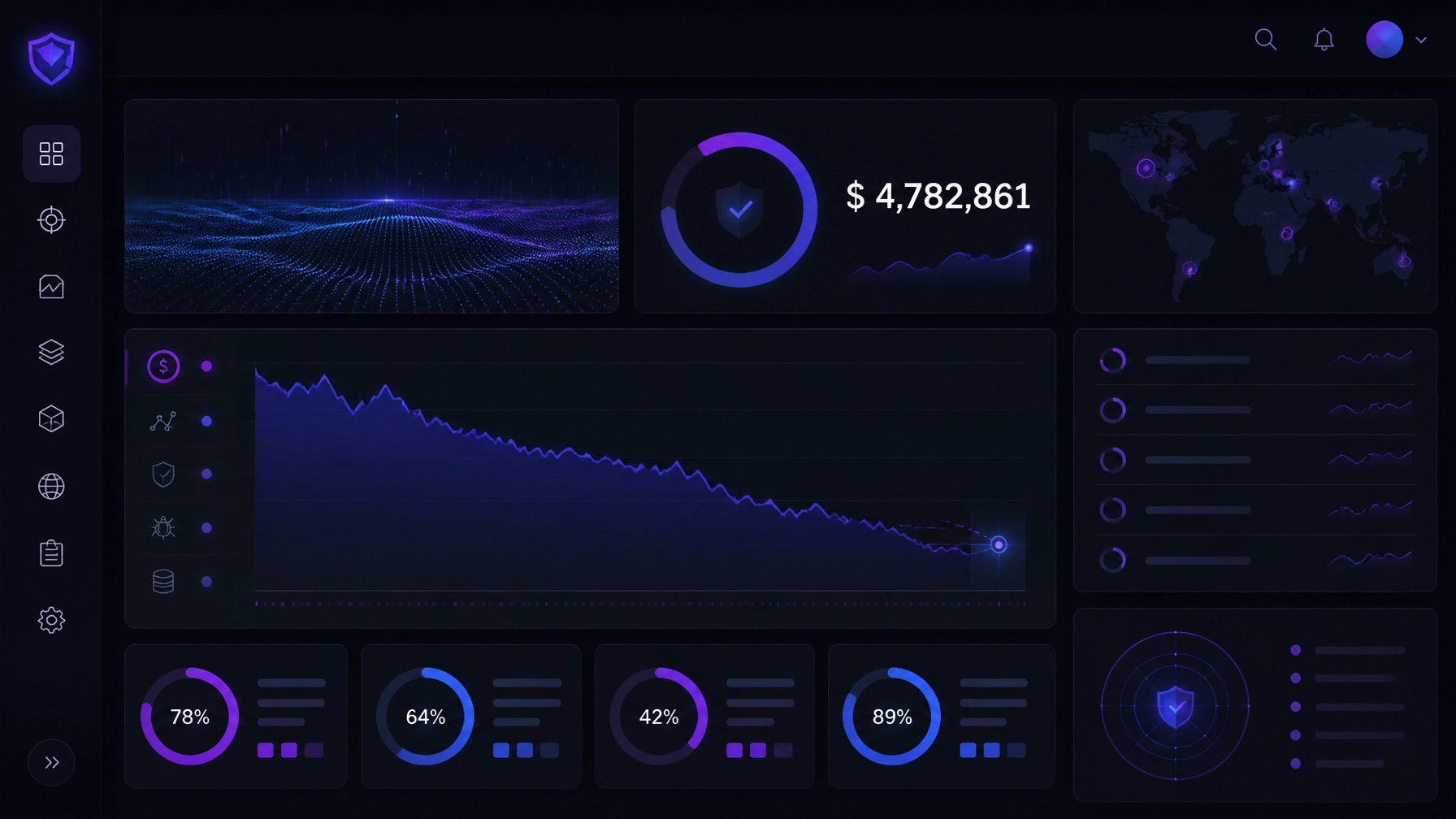
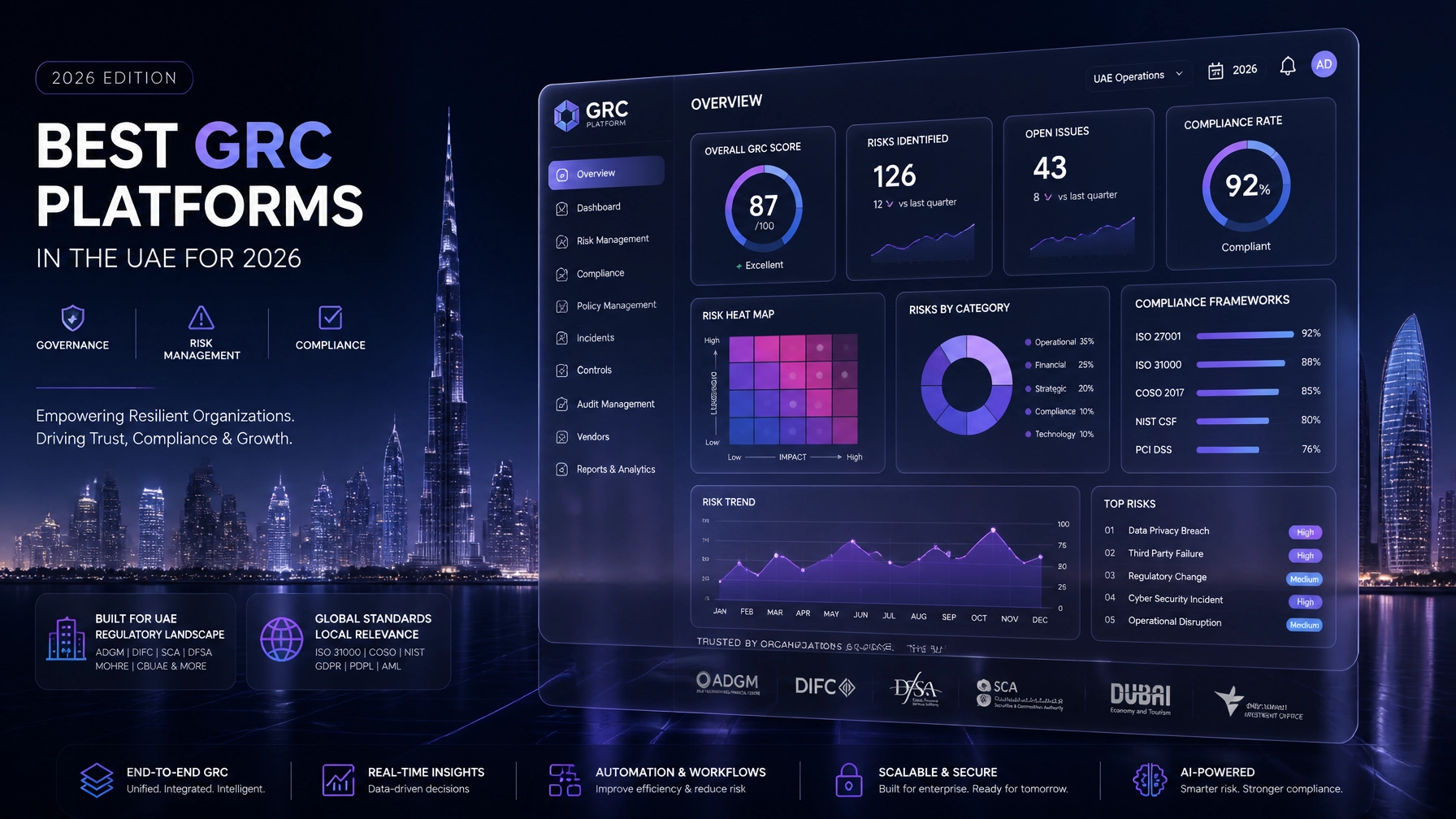
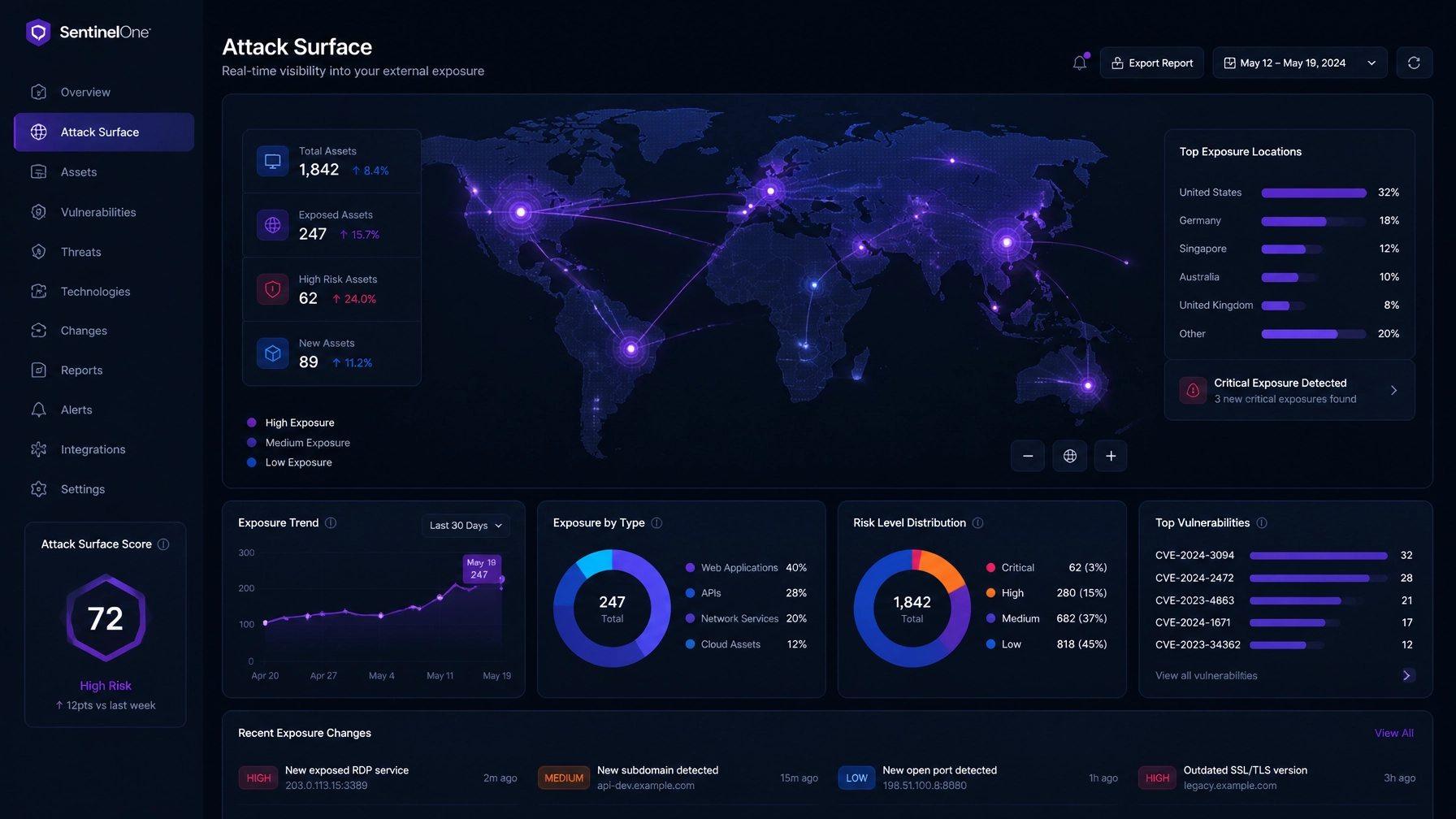
Dashboards and KPIs provide a snapshot of your compliance status. They offer insights into areas that need improvement and track progress effectively. A well-designed dashboard lets you visualize data, making it easier to communicate compliance metrics to stakeholders. Regularly updating these metrics ensures you remain aligned with your compliance goals and can address any issues promptly.
Enhancing Risk Scoring and Remediation Workflows
Risk scoring is essential in prioritizing compliance efforts. Identifying risks allows you to allocate resources effectively and focus on high-priority areas. Enhance your remediation workflows by implementing a structured approach to address and mitigate identified risks. This proactive strategy helps in maintaining a robust compliance posture and minimizes potential disruptions. By refining these workflows, you ensure continuous improvement and readiness for any challenges that come your way.
In conclusion, regulatory compliance management in 2026 requires a strategic and proactive approach. By understanding key changes, building a robust compliance model, and leveraging technology, you can not only meet but exceed compliance demands. This not only safeguards your enterprise but also strengthens trust and reputation in an ever-evolving digital landscape.