





The 2026 Regulatory Compliance Playbook: A Comprehensive Guide for Security Leaders
The 2026 Regulatory Compliance Playbook: A Comprehensive Guide for Security Leaders
Regulatory compliance management in 2026 demands more than ticking boxes—it requires a strategic, scalable approach. You face a maze of new mandates like the EU AI Act, NIS2 directive, and updated PCI DSS 4.0 standards that challenge traditional processes. This guide lays out a clear operating model to tame complexity, boost audit readiness, and harness automation with continuous controls monitoring and AI risk scoring. Read on to build a compliance program that keeps your enterprise secure and ahead of evolving risks. For more information, check this complete guide for 2026.
Understanding 2026 Regulatory Compliance
As you delve into 2026’s regulatory demands, you’ll find that it’s vital to grasp the challenges and navigate them adeptly. This section breaks down the key hurdles and explores how GRC platforms play a pivotal role in easing this journey.
Key Regulatory Challenges
In 2026, regulations like the EU AI Act and PCI DSS 4.0 are reshaping compliance. These mandates are not just checklists; they’re complex frameworks that require careful attention. For example, the NIS2 directive demands enhanced network security, while the updated PCI DSS 4.0 focuses on protecting payment card data.
Faced with these regulations, your organization needs to adapt quickly. A statistic to note: 87% of enterprises face penalties due to non-compliance issues. You must understand these requirements thoroughly to avoid such pitfalls.
These challenges push you to rethink your strategies. Traditional methods might not suffice anymore. It’s time to explore new techniques and tools to stay compliant.
Navigating the Compliance Landscape
Successfully navigating the compliance landscape involves more than just understanding it. You need a strategic approach. Start by conducting a comprehensive compliance audit. This helps identify gaps and areas needing improvement.
Moreover, building a robust compliance team is crucial. Surround yourself with professionals who understand the nuances of regulations like HIPAA and GDPR. They can offer insights and strategies tailored to your organization’s needs.
Lastly, keep an eye on industry trends. Regulations evolve, and so should your strategies. By staying informed, you can anticipate changes and adjust your approaches accordingly.
The Role of GRC Platforms
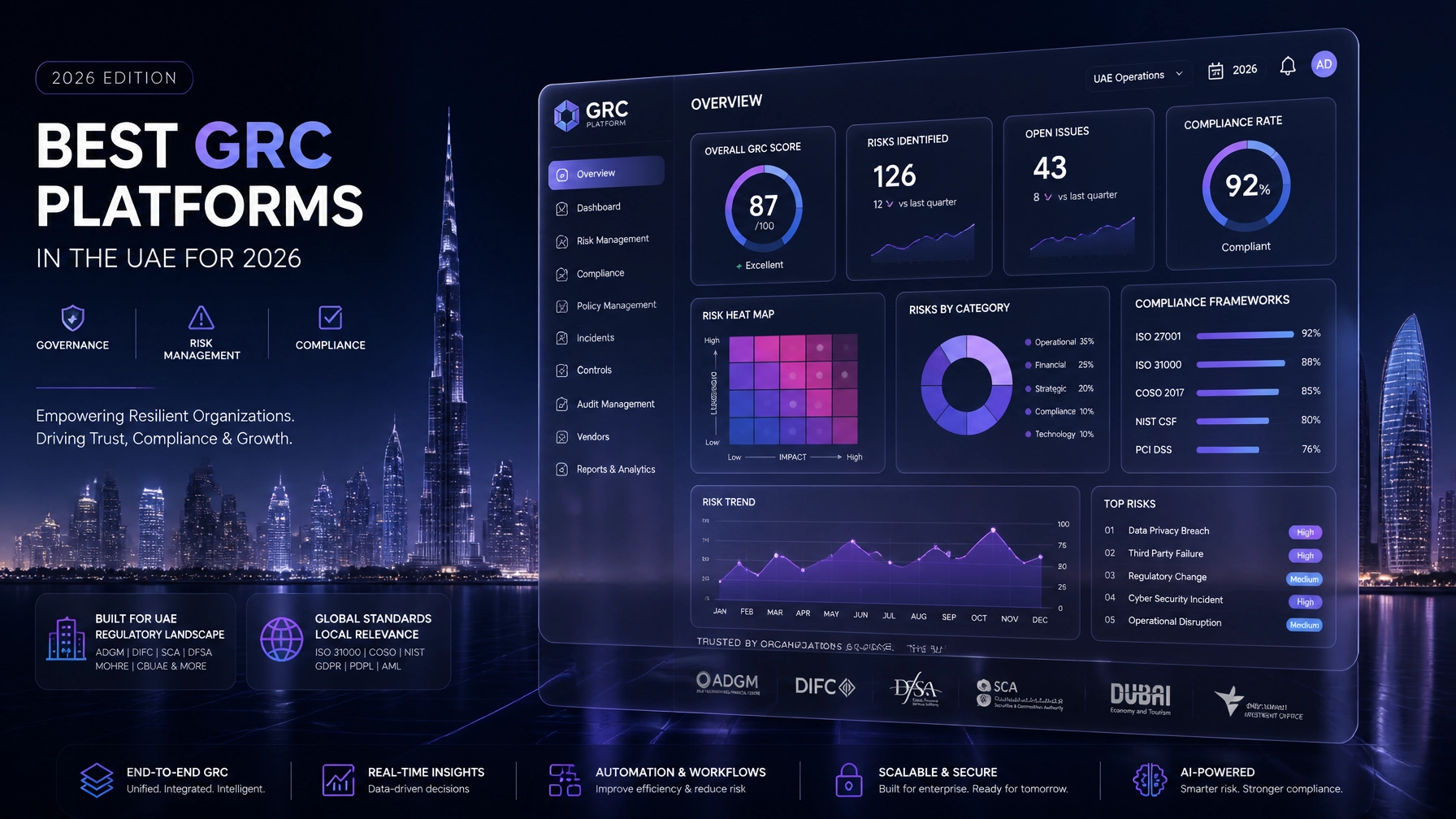
GRC platforms are game-changers in managing compliance. They offer a centralized hub for all your compliance needs. Imagine having a dashboard that tracks everything from risk assessments to audit trails. This is precisely what GRC platforms bring to the table.
These platforms automate processes, reducing manual workload significantly. 70% of companies report a cut in compliance management time after adopting a GRC platform. Automation not only saves time but also minimizes errors, ensuring you meet all regulatory requirements.
Additionally, GRC platforms provide real-time updates, keeping you informed about changes in regulations. They ensure you are always prepared, leading to improved audit readiness and reduced compliance risks.
Building a Scalable Compliance Model
Developing a scalable compliance model is essential for long-term success. This section explores how integrating frameworks, automating evidence collection, and real-time monitoring can enhance your compliance efforts.
Framework Integration and Mapping
Integrating compliance frameworks like ISO 27001 or SOC 2 is a strategic move. It starts with mapping these frameworks to your current processes. This ensures that every aspect of your operations aligns with regulatory requirements.
Framework integration isn’t just about compliance; it’s about streamlining processes. By mapping, you reduce redundancies and enhance operational efficiency.
Moreover, it simplifies audits. With a clear framework in place, auditors can easily verify compliance, speeding up the audit process. This reduces stress and ensures your organization is always ready for scrutiny.
Automated Evidence Collection Strategies
Automation is key to efficient compliance management. By automating evidence collection, you save time and reduce errors. Imagine having all necessary documents ready at the click of a button.
Automated strategies involve setting up systems that continuously gather and store compliance data. This ensures you always have up-to-date information, crucial for audits and assessments.
Furthermore, automation offers peace of mind. Knowing that your compliance data is always current and accurate allows you to focus on other critical business areas without worry.
Real-Time Monitoring for Compliance
Real-time monitoring transforms how you handle compliance. It provides ongoing oversight, ensuring you meet all regulatory requirements consistently.
With real-time data, you can quickly identify and address non-compliance issues. This proactive approach prevents minor problems from escalating into major concerns.
Additionally, real-time monitoring improves decision-making. Access to current data allows for more informed, timely decisions, enhancing overall compliance strategies and outcomes.
GRC Sphere’s Compliance Solutions
GRC Sphere offers robust solutions tailored to meet modern compliance needs. This section delves into how AI risk scoring, continuous controls monitoring, and audit readiness solutions can elevate your compliance efforts.
AI Risk Scoring and Prioritization
AI risk scoring revolutionizes compliance management. It evaluates potential risks, allowing you to prioritize them effectively. This ensures you address the most critical issues first, optimizing your resources.
With AI, you gain insights into risk patterns, enabling proactive management. This foresight is invaluable, especially in fast-paced regulatory environments.
Furthermore, risk scoring enhances strategic planning. By understanding risks, you can develop targeted strategies to mitigate them, ensuring robust protection against compliance breaches.
Continuous Controls Monitoring Explained
Continuous controls monitoring is a proactive approach to compliance. It involves ongoing assessment and adjustment of controls to ensure they remain effective.
This strategy provides several benefits. First, it ensures compliance with evolving regulations. As rules change, your controls can adapt accordingly, maintaining compliance effortlessly.
Additionally, continuous monitoring improves overall operational efficiency. By regularly assessing controls, you identify and rectify inefficiencies, streamlining processes and reducing costs.
Enhancing Audit Readiness and Efficiency
Audit readiness is critical in compliance management. GRC Sphere enhances this by offering solutions that ensure you’re always prepared for audits.
These solutions include comprehensive audit trails, detailed documentation, and automated reporting. They simplify the audit process, reducing time and effort spent on preparation.
Moreover, enhanced readiness boosts confidence. Knowing you’re prepared for audits allows you to focus on other strategic initiatives, fostering growth and innovation within your organization.
In conclusion, building a comprehensive compliance strategy is essential in 2026. By understanding key challenges, leveraging GRC platforms, and implementing scalable models, you ensure your organization remains compliant and competitive.