





Continuous Compliance Across Multiple Standards: Proven Strategies for ISO 27001, PCI DSS, GDPR, and HIPAA
Continuous Compliance Across Multiple Standards: Proven Strategies for ISO 27001, PCI DSS, GDPR, and HIPAA
Managing compliance across ISO 27001, PCI DSS, GDPR, and HIPAA is no small feat. You’re juggling overlapping controls, shifting regulations, and endless audit demands. What if you could build a continuous compliance program that simplifies this complexity through control harmonization and real-time monitoring? This post breaks down proven strategies to help you achieve multi-framework compliance with confidence and agility. For more insights, check out this guide to continuous compliance.
Building a Unified Compliance Framework

Creating a unified compliance framework is about streamlining processes and minimizing the chaos of managing multiple standards. This section explores how harmonizing controls can set the stage for seamless multi-framework compliance.
Harmonizing Controls for Multiple Standards
Harmonizing controls across various standards might sound like a daunting task, but the rewards are invaluable. By aligning controls, you reduce duplication and make your compliance efforts more efficient. Start by identifying common requirements across frameworks like ISO 27001, PCI DSS, GDPR, and HIPAA. For instance, data protection and access controls often overlap.
Next, map these controls to create a unified framework. This approach not only saves time but also cuts down on resources needed for audits. Most people think managing multiple standards requires separate controls. However, a unified framework proves otherwise, simplifying and centralizing compliance efforts.
Leveraging AI for Continuous Monitoring
AI is revolutionizing how organizations approach continuous monitoring. By using AI-driven tools, you can automate the detection of compliance gaps in real-time. For example, AI can continuously assess your security measures against standards like NIST 800-53, identifying vulnerabilities before they become issues.
These tools provide alerts and generate reports, ensuring you stay ahead of compliance requirements. The longer you wait, the more complex managing these standards becomes. The use of AI minimizes manual work and increases accuracy, a game-changer in today’s fast-paced environment. For practical steps on implementing AI in compliance, refer to this detailed guide.
Automating Evidence Collection and Reporting
Automating evidence collection not only saves time but also ensures accuracy in reporting. By implementing automated systems, you gather evidence seamlessly and maintain readiness for audits at all times. This process is crucial for standards like ISO 27001 compliance, where ongoing documentation is key.
Automated tools can compile reports with a click, providing you with real-time insights into your compliance posture. This enables you to focus more on strategic initiatives rather than mundane tasks. Automation transforms the way you handle compliance, making it less of a burden and more of a strategic advantage.
Real-Time Risk Management Strategies

Effective risk management is about more than just identifying threats—it’s about strategic prioritization and dynamic response. The following strategies ensure you remain resilient amidst evolving risks.
Risk-Based Prioritization and Scoring
Effective risk management starts with prioritization. By focusing on the most critical risks, you can allocate resources more effectively. AI-powered risk scoring allows you to evaluate threats based on their potential impact and likelihood. This ensures your team spends time on what’s most important.
Consider a scenario where a new threat emerges. With risk-based scoring, you quickly determine the urgency and potential damage, allowing prompt action. This proactive approach is essential in maintaining a strong security posture.
Effective Policy and Vendor Risk Management
Managing policies and vendor risks is crucial in a comprehensive risk strategy. Regularly review and update your policies to reflect current standards and emerging threats. Vendor management is equally important. Ensure third-party partners comply with your security requirements to mitigate potential vulnerabilities.
By conducting regular assessments and audits, you maintain control over your compliance environment. Effective policy and vendor risk management are key components of a robust risk management strategy, reinforcing the importance of continuous vigilance.
Enhancing Security Posture Monitoring
Monitoring your security posture in real-time allows you to detect and respond to threats swiftly. Implementing continuous monitoring ensures you have a clear view of your security environment at all times. This proactive stance aids in quickly addressing any compliance lapses or security incidents.
Real-time monitoring tools provide dashboards and analytics, giving you a comprehensive overview of your security landscape. This empowers you to make informed decisions and maintain a strong defense against potential threats. For additional insights, explore how to enhance your security posture.
GRC Sphere’s AI-Driven Platform

Experience the future of compliance with GRC Sphere’s AI-driven platform. Here, we delve into how it simplifies compliance and accelerates audit readiness.
Streamlining Compliance Automation and Orchestration
GRC Sphere’s platform automates compliance processes, reducing the time and effort required for manual tracking. By orchestrating tasks, it ensures nothing falls through the cracks. This enables your team to focus on strategic initiatives, improving overall productivity.
Through its seamless integration, the platform ensures your compliance efforts are coordinated and efficient. It’s a powerful tool for any organization looking to streamline their compliance operations.
Regulatory Mapping Across ISO 27001, PCI DSS, GDPR, HIPAA
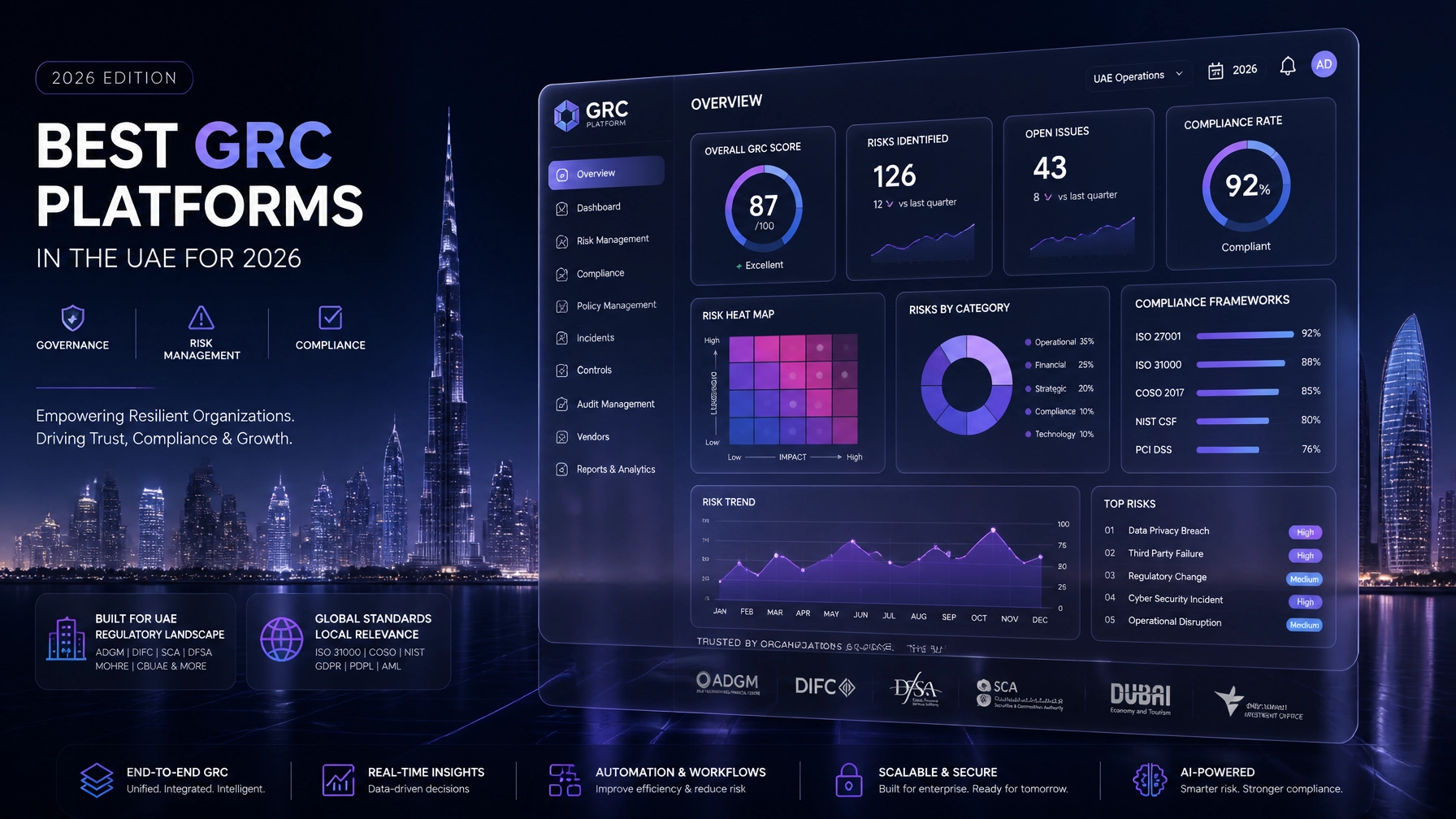
Regulatory mapping simplifies compliance by identifying overlapping requirements across standards. GRC Sphere’s platform excels at this, offering a consolidated view of your compliance landscape. This not only saves time but also provides clarity in managing multiple standards.
By understanding these overlaps, you reduce redundancy and ensure a coherent compliance strategy. This approach is essential for maintaining compliance across complex regulatory environments.
Accelerating Audit Readiness and Certification
Audit readiness becomes effortless with GRC Sphere’s platform. It provides real-time insights and automated reporting, ensuring you’re always prepared for audits. The platform’s robust features make certification processes smoother and more efficient.
By using GRC Sphere, organizations achieve faster audit readiness, reducing the time and resources typically required. It’s a game-changer for those seeking to maintain continuous compliance. To learn more about achieving audit readiness, check out this comprehensive resource.