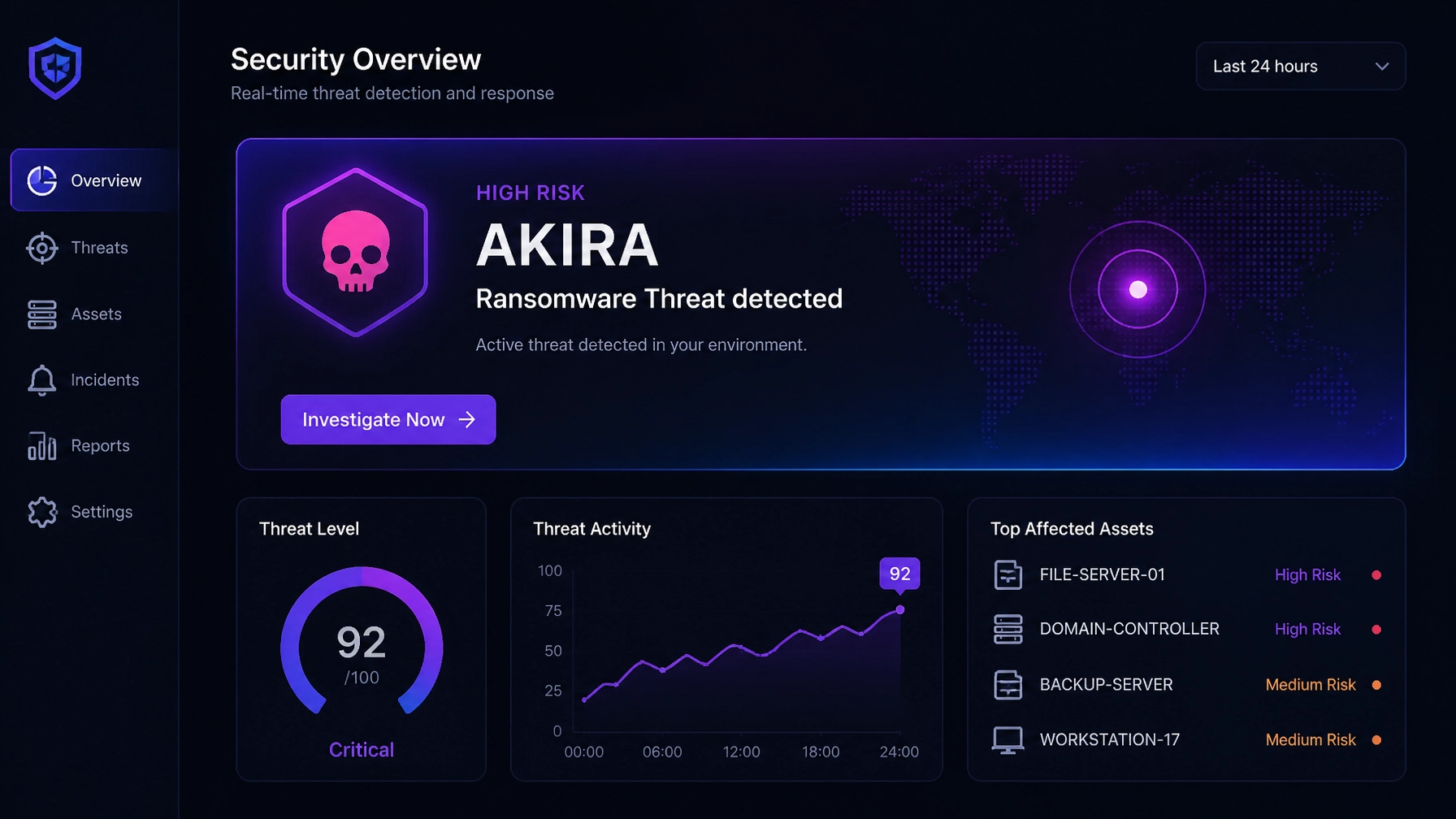
In the current threat landscape, technical debt isn't just a balance sheet liability: it’s a beckoning light for extortionists. AKIRA ransomware has emerged as one of the most prolific threats of 2025 and 2026, amassing over $150M in ransom proceeds by exploiting a single, persistent weakness in enterprise security: the "MFA Gap."
While most organizations believe they are "compliant" because they have a policy for multi-factor authentication, AKIRA thrives on the delta between policy and reality. They don't break in; they log in.
Modus Operandi: The AKIRA Playbook
AKIRA is a Ransomware-as-a-Service (RaaS) operation that prioritizes speed and financial leverage. Their "dwell time": the period between initial breach and full encryption: is often less than 48 hours. In many cases, a network can be fully compromised and encrypted in under 60 minutes once the attackers gain a foothold.
1. The Entry Point: Exploiting the Edge
AKIRA specifically targets edge devices and remote access portals. Their primary vectors include:
- VPN Exploitation: They heavily abuse known vulnerabilities in Cisco ASA and FTD devices, specifically CVE-2020-3259 (information disclosure) and CVE-2023-20269 (VPN brute-force). These are used to bypass authentication or harvest credentials from devices where MFA is either missing or misconfigured.
- SonicWall & SSL VPNs: Recent campaigns have shown a shift toward exploiting vulnerabilities in SonicWall firewalls (e.g., CVE-2024-40766) to gain entry.
- Credential Abuse: By purchasing valid credentials from Initial Access Brokers (IABs) or using simple brute-force attacks on unprotected RDP/VPN portals, AKIRA bypasses the need for complex malware delivery.
2. Double Extortion & Variants
AKIRA utilizes a double extortion model. They exfiltrate sensitive data before triggering encryption, then threaten to release it on their TOR-based leak site if the ransom isn't paid.
The group is also highly adaptable, deploying multiple variants to evade detection:
- Megazord: A variant designed to complicate signature-based detection.
- Akira_v2: A specialized version optimized for ESXi and virtual machine environments, allowing them to take down entire data centers simultaneously.
3. Living off the Land (LoLBins)
Once inside, AKIRA avoids triggering EDR alerts by using built-in Windows tools. They utilize PowerShell for shadow copy deletion, WMIC for discovery, and Ngrok for persistent tunneling. They leverage legitimate administrative tools like Advanced IP Scanner, FileZilla, and Rclone to map the network and move data out.
MITRE ATT&CK Framework Mapping
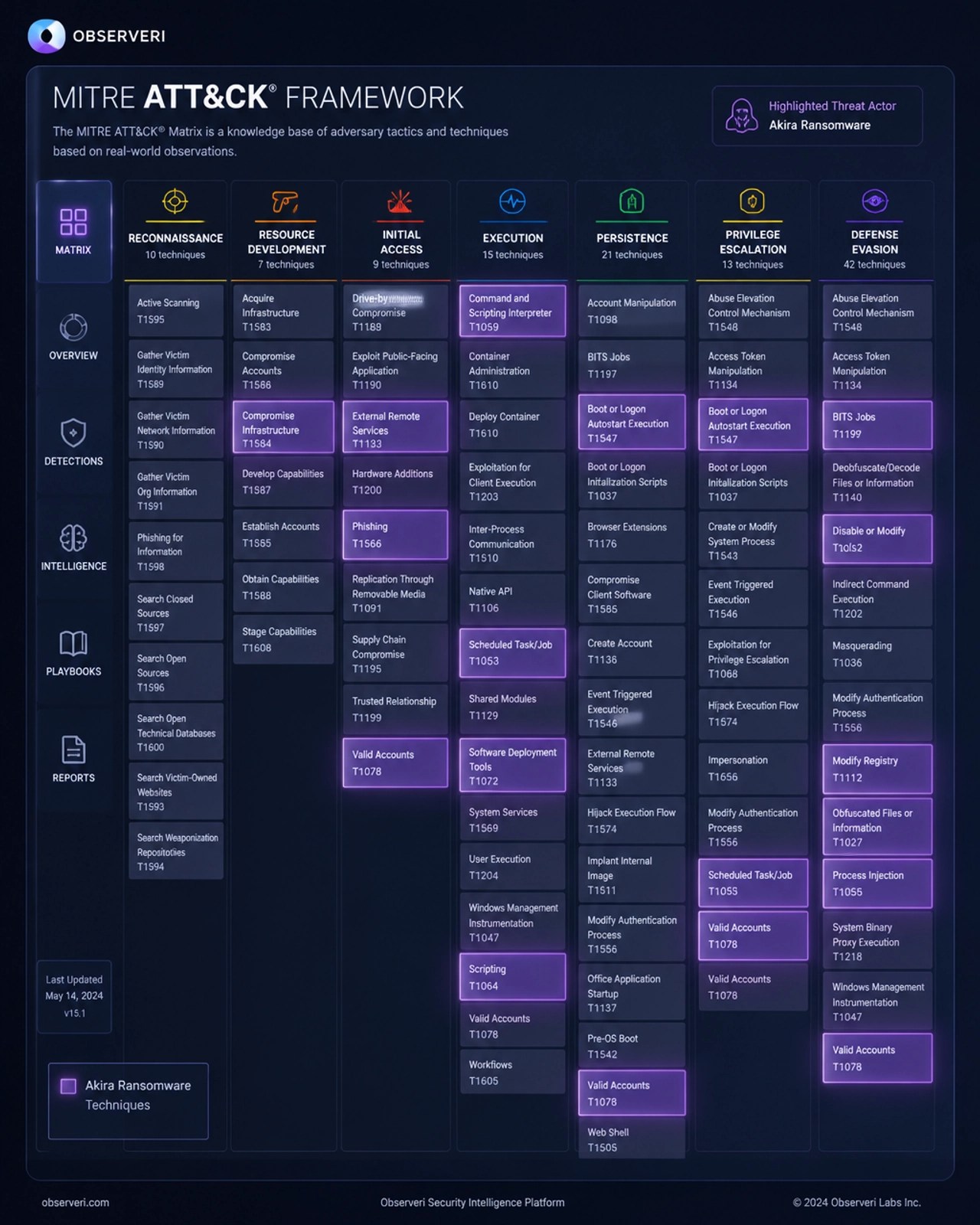
Understanding AKIRA requires mapping their behaviors to the MITRE ATT&CK framework. This allows security teams to move beyond chasing indicators of compromise (IOCs) and start detecting the actual techniques used.
| Tactic | Technique | Description |
|---|---|---|
| Initial Access | T1133: External Remote Services | Exploiting VPNs and RDP portals without MFA. |
| Initial Access | T1190: Exploit Public-Facing Application | Targeting Cisco (CVE-2020-3259) and SonicWall. |
| Execution | T1059.001: PowerShell | Running scripts to disable security and delete backups. |
| Defense Evasion | T1562.001: Disable or Modify Tools | Using 'PowerTool' or scripts to kill AV/EDR agents. |
| Exfiltration | T1567: Exfiltration to Cloud Storage | Using Rclone to dump data to MEGA or Dropbox. |
| Impact | T1486: Data Encrypted for Impact | Final-stage enterprise-wide encryption. |
| Impact | T1490: Inhibit System Recovery | Deleting Volume Shadow Copies and wiping backups. |
Controls to Protect: Moving from Reactive to Proactive
Static security configurations are the primary reason AKIRA remains successful. To stop an attack that moves in hours, your defenses must be verified in minutes.
Enforce MFA Everywhere (No Exceptions)
AKIRA targets the one VPN portal you forgot to secure. You must enforce phishing-resistant MFA on all external-facing services. Continuous monitoring is required to ensure that new assets or temporary accounts don't create "MFA blind spots."
Aggressive Patch Management
Vulnerabilities like CVE-2023-20269 are well-known, yet they remain the leading cause of AKIRA breaches. Organizations must prioritize patching based on the Asset Criticality Score (ACS). A vulnerable VPN concentrator is a much higher risk than a vulnerable internal workstation.
Network Segmentation
Limit lateral movement. If an attacker compromises a VPN session, they should not have immediate access to your backup servers or ESXi environment. Implement micro-segmentation to isolate critical data assets.
Immutable Backups
Since AKIRA actively seeks out and deletes shadow copies and online backups, you must maintain immutable, air-gapped backups. If your backup can be deleted via a domain admin account, it isn't a backup: it’s a target.
The Observeri Advantage: Dynamic Risk Management
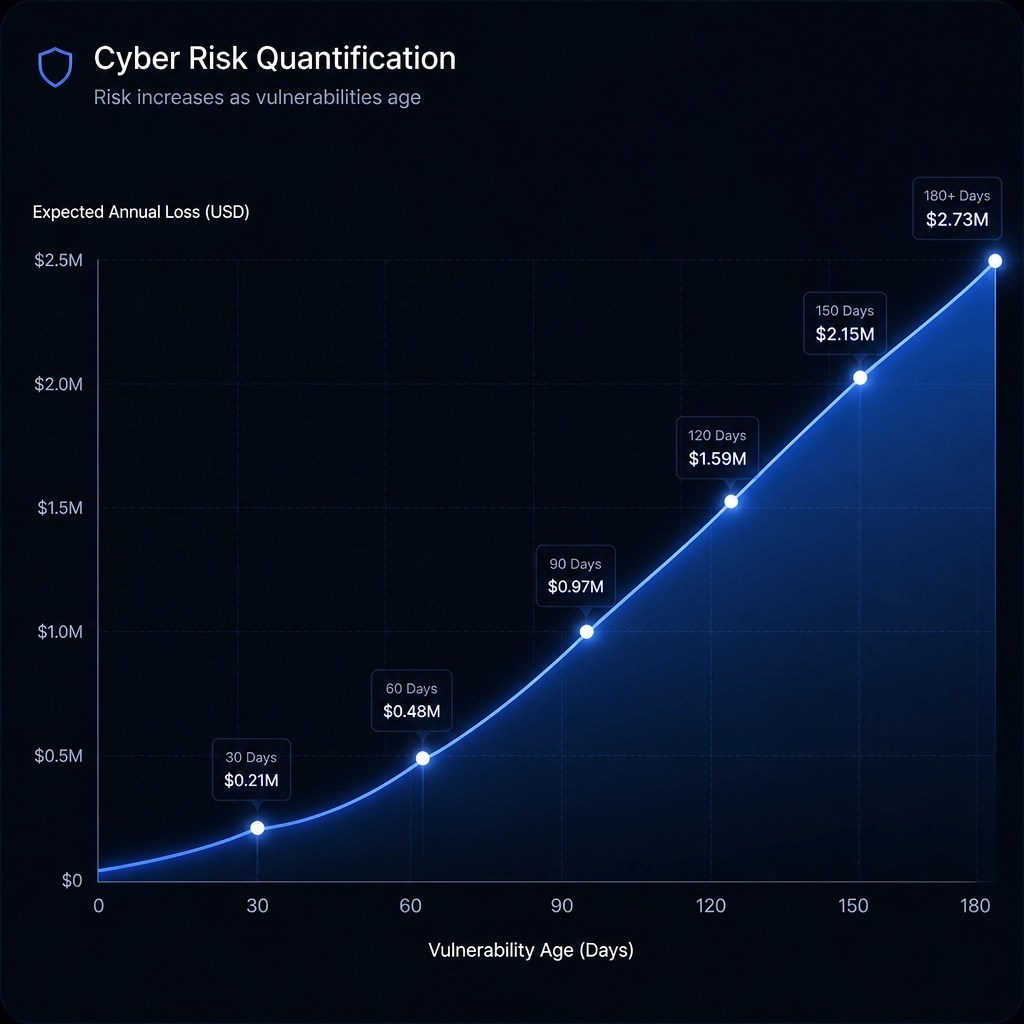
Legacy GRC platforms and manual spreadsheets fail because they are "static." They tell you that you were compliant three months ago. AKIRA exploits what is happening right now.
At Observeri, we’ve engineered a platform that transforms compliance from a checkbox exercise into a predictive security shield.
1. Automated Compliance Monitoring
Instead of waiting for an audit, Observeri’s AI-powered GRC engine continuously monitors your environment. It automatically verifies if MFA is active on every Cisco or SonicWall portal. If a configuration drifts and MFA is disabled, Observeri flags it instantly.
2. Residual Risk Score (RRS)
We don't just give you a "High/Medium/Low" score. Observeri calculates your Residual Risk Score (RRS) by combining technical vulnerability data with business context. If a public-facing VPN has a known exploit (like CVE-2023-20269) and lacks MFA, the RRS will skyrocket, highlighting it as a top-tier threat before an attacker ever touches it.
3. Asset Criticality Score (ACS)
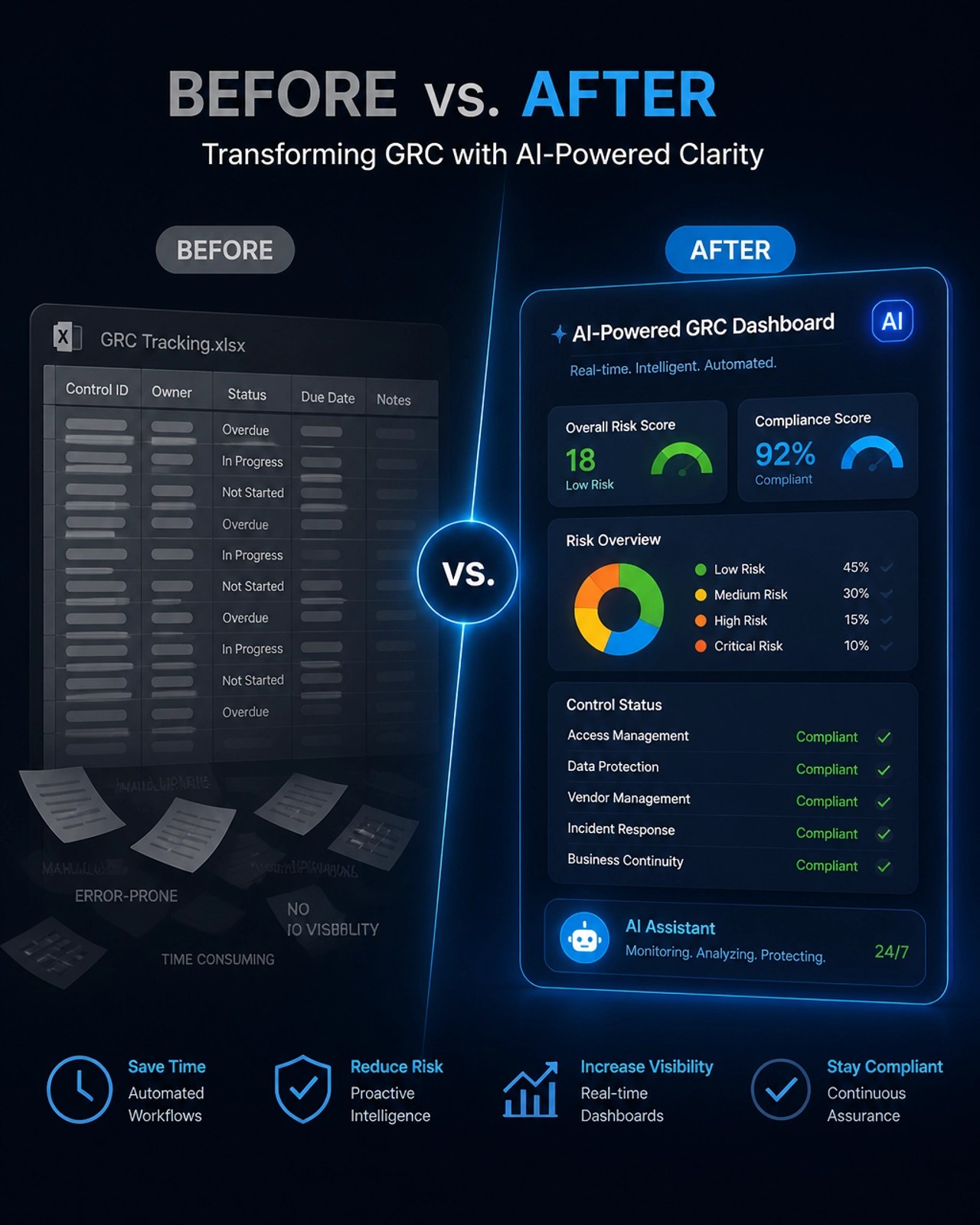
Not all assets are equal. Observeri assigns an Asset Criticality Score (ACS) to every component of your infrastructure. By understanding which assets hold your crown jewels, our platform helps you prioritize remediation. This allows your team to focus on fixing the vulnerabilities that lead to the highest Expected Annual Loss (EAL), rather than chasing thousands of irrelevant low-level alerts.
Conclusion: Decision Velocity is Your Best Defense
AKIRA wins when security teams are slow to react. When you rely on manual evidence collection and quarterly risk assessments, you are operating on old data.
Observeri provides the Decision Velocity needed to stay ahead of RaaS groups. By quantifying cyber risk in financial terms and automating the verification of controls, we ensure that your "unprotected portals" are identified and secured in real-time.
Don't wait for a ransom note to find your MFA gaps. See how Observeri automates your risk management today.

Leave a Reply