





Continuous Compliance Explained: How Enterprises Stay Audit-Ready Year-Round
Continuous Compliance Explained: How Enterprises Stay Audit-Ready Year-Round
Most enterprises still rely on periodic audits that leave compliance gaps exposed for months. Your security posture can’t wait that long. Continuous compliance with real-time monitoring and automated evidence collection keeps you audit-ready every day, reducing risk and stress. This post breaks down how continuous control monitoring, risk scoring, and control mapping work together to maintain constant assurance across frameworks. For more insights, visit this guide on continuous compliance.
Understanding Continuous Compliance

Continuous compliance isn’t just a buzzword. It’s a necessary shift from traditional audit schedules to a constant state of readiness. This approach helps you stay ahead, ensuring your organization is always prepared for any audit or compliance check.
Mechanics of Continuous Compliance
When you think about compliance, think of it as a living process. You no longer wait for annual audits. Instead, you use real-time data to ensure every compliance requirement is met all the time. With continuous compliance, you integrate automated systems that track and update your compliance status. This reduces the manual burden and the risk of missing critical updates.
Imagine the relief of knowing you’re always ready for an audit. By using automated tools, you gather evidence and update your compliance status without the scramble. This proactive approach saves you time and stress.
Key Components to Know
To achieve continuous compliance, you need to know the core elements involved. The first is control mapping. This process aligns your controls with industry standards. Next is continuous control monitoring (CCM). CCM keeps an eye on your systems, ensuring they’re always compliant. Lastly, there’s automated evidence collection. This tool gathers necessary documentation without manual input.
These components form a robust framework. By automating these tasks, you ensure nothing slips through the cracks. It’s like having an extra set of eyes on your compliance efforts, reducing the risk of human error.
Benefits of Staying Audit-Ready
Being audit-ready at all times offers numerous advantages. You reduce the risk of non-compliance, which can lead to fines or reputational damage. Additionally, you free up resources. Without the need for intense audit preparation, your team can focus on other priorities.
The longer you wait to adopt continuous compliance, the more you risk falling behind. Organizations that implement these strategies often find they achieve a 99.9% compliance rate, minimizing disruptions and maintaining trust with stakeholders.
Implementing Continuous Compliance

Knowing the mechanics is just the beginning. Implementing continuous compliance involves strategic planning and smart execution. Here’s how you can start making this shift.
Roadmap to Continuous Assurance
Begin your journey with a clear roadmap. First, assess your current compliance status. Identify gaps and areas for improvement. Then, prioritize these areas based on risk and impact. Create a step-by-step plan to address each one.
Next, integrate tools that support continuous compliance. These might include automated monitoring systems or compliance dashboards. By using technology, you streamline your processes and increase efficiency. Remember, the goal is to make compliance a seamless part of your operations.
Role of GRC Automation
GRC (Governance, Risk, and Compliance) automation plays a key role in your compliance efforts. Automation tools handle repetitive tasks, freeing up your team for more strategic work. They also provide real-time updates, keeping you informed of any changes or issues.
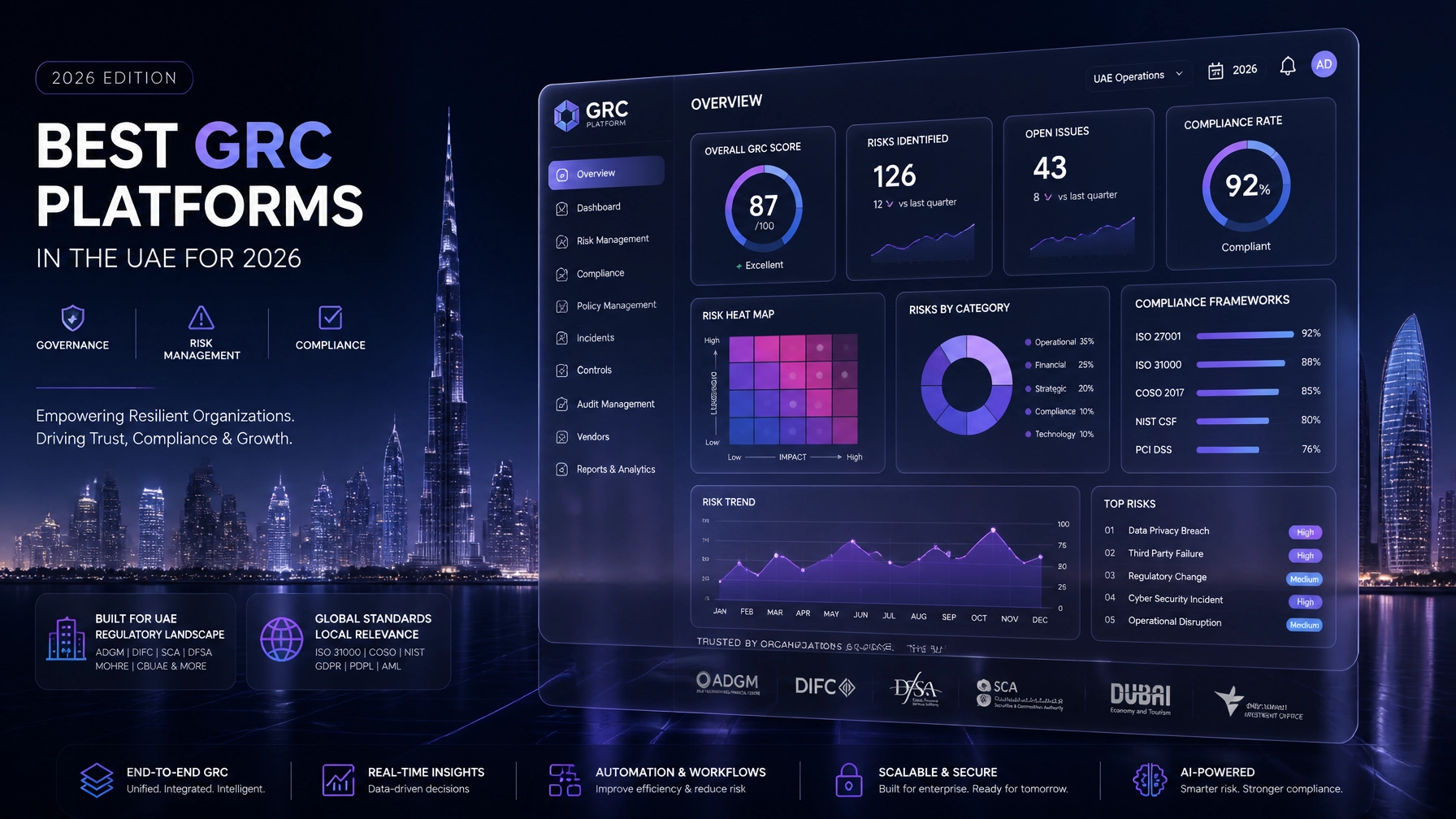
By embracing GRC automation, you position your organization for success. Automated systems reduce errors and ensure compliance with frameworks like ISO 27001 or PCI DSS. This approach not only saves time but also builds confidence in your compliance programs.
Leveraging Policy Management
Effective policy management is crucial for continuous compliance. It involves creating, updating, and communicating policies across your organization. Start by reviewing your existing policies. Ensure they align with industry standards and reflect current best practices.
Once your policies are in place, use tools to manage them. These tools help track changes and ensure everyone is on the same page. With clear policies and effective management, you maintain consistency and reduce compliance-related risks.
Tools and Technologies for Compliance

Technology is your ally in the quest for continuous compliance. Let’s explore the specific tools that can help you maintain an audit-ready status year-round.
Continuous Control Monitoring (CCM)
CCM is at the heart of continuous compliance. It involves using software to monitor your systems continuously. This ensures your controls are always in place and functioning correctly. With CCM, you receive alerts for any issues, allowing you to address them quickly.
Think of CCM as your security watchdog. It’s always on the lookout, ensuring you’re aligned with compliance requirements. By implementing CCM, you keep your organization one step ahead of potential compliance challenges.
Automated Evidence Collection
Gathering evidence manually is time-consuming and prone to errors. Automated evidence collection solves this problem. It collects documentation continuously, ensuring you have what you need for audits at any time.
This tool reduces the workload on your team. Instead of chasing down documents, they can focus on higher-priority tasks. Automated evidence collection not only saves time but also enhances accuracy and reliability.
AI-Driven Risk Scoring
Risk scoring is another critical component of continuous compliance. By leveraging AI, you gain deeper insights into potential risks. AI-driven tools analyze data and assign risk scores, helping you prioritize actions.
These insights empower you to make informed decisions. You can address high-risk areas before they become problems. With AI-driven risk scoring, you enhance your organization’s security posture and maintain compliance effortlessly.
In conclusion, continuous compliance is not just a trend but a necessity for modern enterprises. By understanding its mechanics, implementing strategic practices, and leveraging advanced tools, you can stay audit-ready all year round. This proactive approach ensures your organization remains resilient, reliable, and trusted in a fast-paced regulatory environment.